Study in Canada Master Degree: Costs & Top Guide Apply

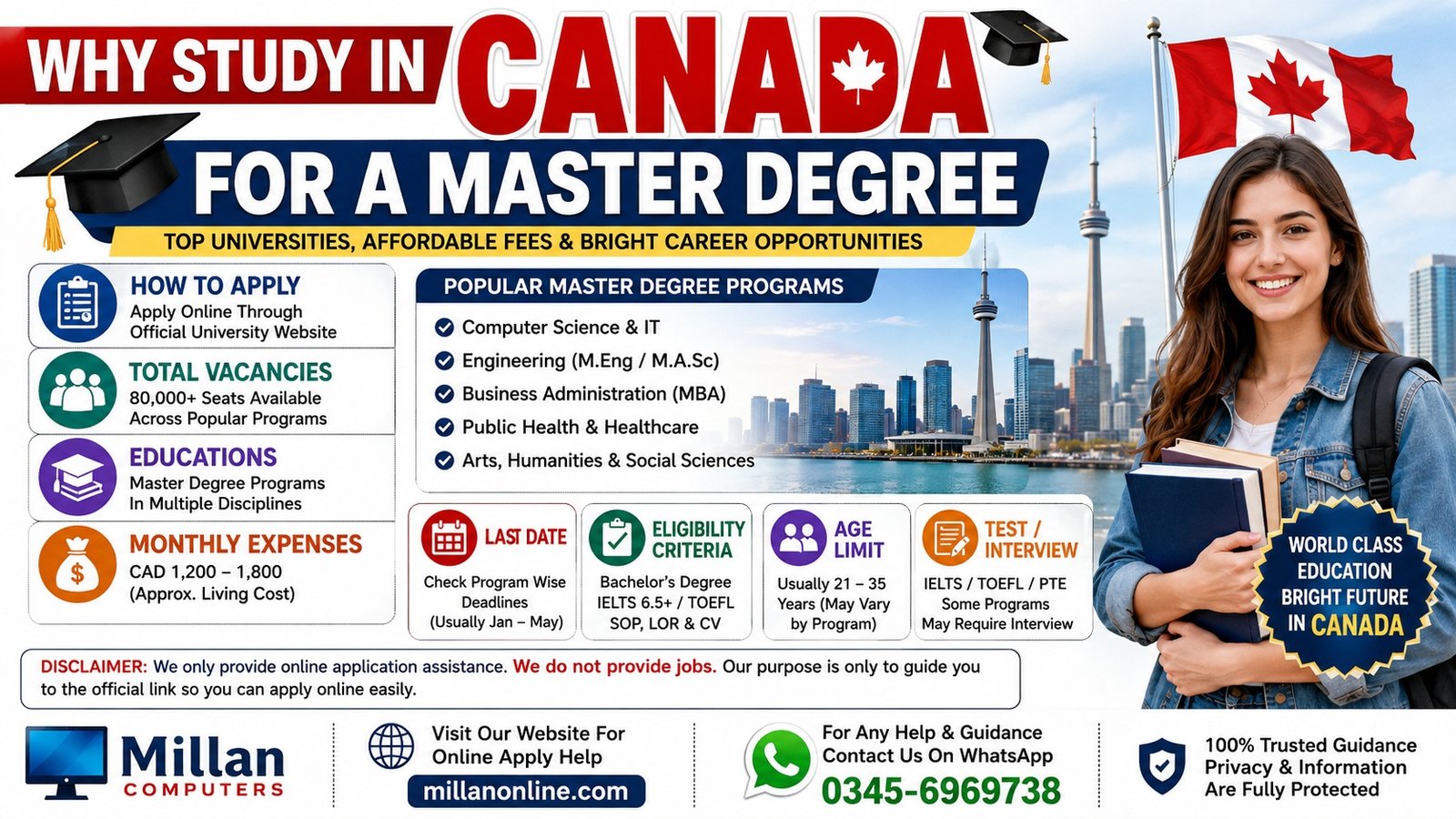
Choosing the right international destination for higher studies can completely revolutionize your global career prospects. When students ask themselves why study in Canada for a Master degree, the immediate answer lies in the country’s world-renowned academic excellence, diverse culture, and high quality of life. Studying at top-tier Canadian universities gives international scholars direct access to cutting-edge research facilities, hands-on industrial experience, and an exceptionally welcoming multicultural environment.
Why Study in Canada for a Master Degree: Premier Educational Advantages
Canada has rapidly emerged as a dominant global hub for higher education, drawing over 320,000 international students every single year. When analyzing why study in Canada for a Master degree, several distinctive benefits stand out clearly for ambitious international scholars:
Globally Ranked Universities: Over 11 Canadian institutions rank consistently among the top 250 universities worldwide, celebrated for academic rigour and pioneering research output.
Affordable Tuition Fees: Compared to other English-speaking nations like the USA or UK, higher education tuition fees in Canada remain remarkably reasonable.
Focus on Practical Experience: Degree programs place heavy emphasis on interdisciplinary studies, practical learning, coop programs, and industrial integration.
Inclusive & Safe Environment: Major student hubs celebrate cultural diversity, offering safe, vibrant, and incredibly welcoming communities for global expats.
Key Canada Master Degree Vacancies and Academic Qualifications
To help prospective postgraduate applicants understand academic programs and entry standards, the structured breakdown below highlights popular study streams, average available program seats, and mandatory qualifications:
| Degree Stream / Discipline | Total Annual Vacancies (Seats) | Mandatory Qualification & Entry Requirements |
| Master of Science (M.Sc) in Computer Science & IT | 15,000 | Bachelor’s Degree in CS/IT (Minimum 75% or 3.0+ GPA), IELTS (6.5+) or TOEFL |
| Master of Engineering (M.Eng / M.A.Sc) | 18,000 | 4-Year Bachelor’s in Engineering, Statement of Intent, Academic References |
| Master of Business Administration (MBA) | 12,000 | Bachelor’s in any discipline, GMAT/GRE scores, 2+ years Work Experience |
| Master of Public Health & Healthcare (MPH) | 8,000 | Bachelor’s in Biological/Health Sciences, GRE (optional), English Proficiency |
| Master of Arts (M.A) in Humanities & Social Sciences | 10,000 | Bachelor’s Degree in relevant Arts field, Writing Sample, Proof of Language |
Top Canadian Universities and Popular Student Hubs
Selecting the right environment is crucial when deciding why study in Canada for a Master degree is the best decision for your academic journey.
Best Institutions for Master Programs
University of Toronto: Recognised globally for research innovation and top-tier academic development.
University of British Columbia (UBC): Celebrated for its international student community and breathtaking West Coast location.
McGill University: Famous for medical, engineering, and humanities programs set in a rich historical landscape.
McMaster University: Internationally acclaimed for innovative problem-based learning and technological advancements.
University of Montreal: Premier choice for students seeking bilingual exposure in a dynamic urban setting.
Vibrant Urban Hubs for Global Students
Toronto: A bustling, multicultural city offering endless networking opportunities in finance and tech sectors.
Vancouver: Perfect for students who cherish scenic natural beauty alongside world-class academic institutions.
Montreal: A budget-friendly, highly artistic city renowned for its rich culture, nightlife, and dual-language atmosphere.
Ottawa: Canada’s national capital, presenting prime opportunities for scholars focusing on public policy, law, and government affairs.
Tuition Fees and Financial Estimates for Master Scholars
Understanding financial commitments is essential when deciding why study in Canada for a Master degree. While tuition costs vary significantly across provinces and institutions, graduate programs present competitive tuition structures:
Average Master’s Tuition Fee: Approximately CAD 21,000 per academic year for international students.
MBA Program Fees: Range higher, often reaching between CAD 30,000 to CAD 76,000 depending on the business school.
Affordable Regions: Provinces like Newfoundland & Labrador offer graduate tuition fees as low as CAD 5,000 to CAD 9,000 per year.
Living Expenses: Budget approximately CAD 10,000 to CAD 15,000 annually to comfortably cover accommodation, transportation, health insurance, and personal utilities.
Essential Guidelines to Choose the Right Master Program
Selecting the ideal degree requires a clear strategic approach. Follow these steps to maximize your educational investment:
Check Institution Accreditation
Ensure the university or college is designated as an official Designated Learning Institution (DLI) authorized by provincial authorities to host international scholars.
Review Admission Criteria & Deadlines
Carefully review prerequisite academic scores, language competency results (IELTS, PTE, or TOEFL), statement of purpose (SOP) criteria, and letter of recommendation (LOR) requirements.
Evaluate Career and Post-Graduation Pathways
Investigate whether your prospective university offers co-op programs, strong industry partnerships, and post-graduation work opportunities that align seamlessly with your long-term career goals.
How to Apply Online for Master Programs in Canada
International students interested in pursuing a Master degree in Canada must follow a two-step application procedure:
Step 1 (University Admission): Select an accredited university from the official Designated Learning Institutions (DLI) List and submit your application directly on the institution’s official portal to receive an official Acceptance Letter.
Step 2 (Study Permit Application): Once accepted, submit your international student permit application online via the official government portal:
Official Online Application Link: Apply Online for Canada Study Permit (IRCC Official Portal)
Frequently Asked Questions (FAQs)
1. Why choose to study in Canada for a Master degree over other destinations?
Choosing to study in Canada for a Master degree provides international scholars access to world-renowned research universities, affordable tuition structures compared to the US or UK, and strong post-graduation career opportunities. Additionally, Canada offers a welcoming multicultural environment and high quality of life.
2. How much does it cost to study in Canada for a Master degree?
The average tuition fee to study in Canada for a Master degree ranges between CAD 21,000 and CAD 35,000 per year for international students, depending on the program and institution. Professional programs such as MBAs may cost higher, while universities in provinces like Newfoundland & Labrador offer lower graduate rates starting around CAD 9,000 annually.
3. What are the key entry requirements for a Canadian Master program?
To qualify for a Canadian postgraduate program, applicants generally require:
A recognized 4-year Bachelor’s degree (minimum 70–75% or 3.0+ GPA).
Proof of English language proficiency (IELTS minimum overall band of 6.5 or TOEFL equivalent).
Statement of Purpose (SOP) and Academic Letters of Recommendation (LORs).
Relevant GRE/GMAT scores (required primarily for business and technical master streams).
4. Can international graduate students work while studying in Canada?
Yes, international students holding a valid study permit can work on-campus or off-campus for up to 20 hours per week during regular academic semesters and full-time during official scheduled academic breaks.
5. Can I apply for a Post-Graduation Work Permit (PGWP) after completing a Master degree in Canada?
Yes, graduates of master degree programs from accredited Designated Learning Institutions (DLIs) are eligible to apply for a Post-Graduation Work Permit (PGWP). This allows international graduates to gain valuable Canadian work experience for up to 3 years following their studies.